
What Elements Are Removed During A Soft Strip
The soft strip process is a crucial phase in renovations, focusing on the careful removal of internal components such as walls, ceilings, and fixtures. This method prepares spaces for new installations while ensuring safety by handling utilities like plumbing and electrical systems. Understanding the significance of this meticulous approach allows property owners to appreciate how it promotes a cleaner work environment and smoother transitions to new designs. Explore the key components involved in a soft strip and the benefits it brings to your renovation project.
Understanding the Components Removed During a Soft Strip
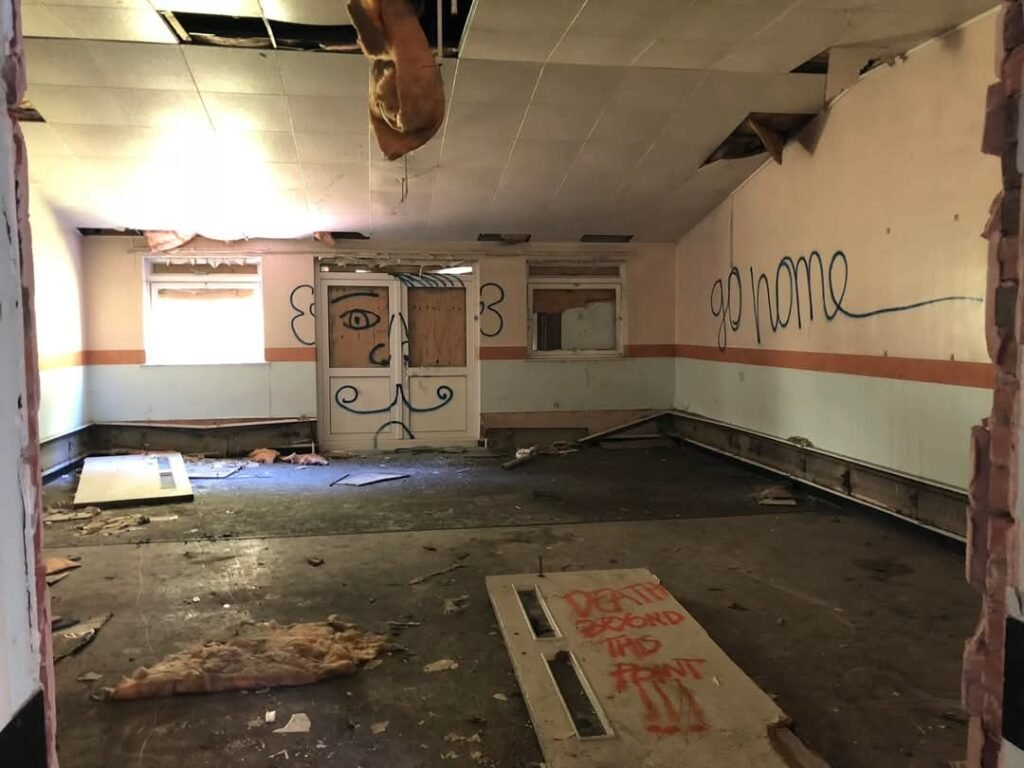
In a typical soft strip, the first areas targeted are the internal walls, ceilings, and flooring materials. These foundational elements are crucial in clearing the space and preparing the area for new layouts.
Additionally, various fixtures, including lights, cabinetry, and appliances, are also removed. This meticulous approach allows for smoother transitions between the old and new designs.
Utilities and Their Importance
Equally important to the soft strip process are the utilities. Plumbing and electrical systems are often disconnected or redirected during this phase.
This careful handling of utilities not only ensures safety but also minimizes potential disruptions once new installations begin. By removing these components, crews can efficiently prepare for renovations while reducing debris and waste overall.
Ultimately, understanding the elements removed during a soft strip helps highlight its significance in renovation projects. This careful process paves the way for fresh designs while promoting a safer, cleaner work environment.
Considerations for soft strip demolition
Discover the essentials of soft strip demolition, a safe method for removing non-structural elements during building renovations.
Difference between soft strip and hard strip demolition
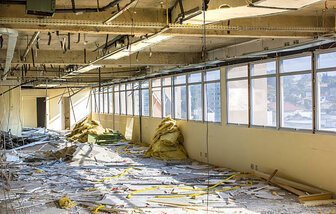
In contrast, hard strip demolition involves the complete removal of all structural elements within a building. This process is quite extensive.
What elements are removed during a soft strip
In a typical soft strip, the first areas targeted are the internal walls, ceilings, and flooring materials. These foundational elements are crucial
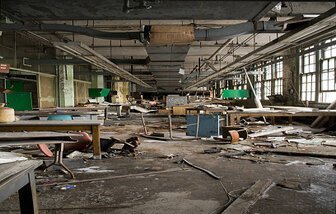
Why is soft strip demolition important
Discover the benefits of soft strip demolition, a targeted method for removing non-structural elements from buildings to streamline renovation projects.
FAQ And Additional Guidance For Elements Are Removed During A Soft Strip
Key Elements Removed During a Soft Strip
During a soft strip, several critical elements are systematically removed. Among them are:
- Interior Walls: Non-load-bearing walls, including partitions, are taken down to create an open space.
- Ceilings: Materials like tiles and suspended ceilings are removed to expose the original ceiling structure.
- Flooring: Floor coverings such as tiles, carpets, and wooden flooring are stripped away.
- Fixtures and Fittings: Kitchen and bathroom elements including sinks, toilets, and tubs are detached for repurposing or replacement.
- Doors and Windows: All doors, windows, and frames are also taken down to facilitate a clean slate.
- Utilities: Electrical and plumbing systems, including wiring, pipes, and conduits, are disconnected and removed to prepare for upgrades.
Additional Considerations
Moreover, during the soft strip process, other non-structural elements such as temporary structures, machinery, and equipment may also be removed. This meticulous approach not only helps in recycling materials but also assists in creating a functional area ready for the next phase of construction. A successful soft strip ensures that the renovation project can proceed efficiently, with clearer spaces for innovative designs and modern amenities.
Ready to start your project?
Let's Work Together
Are you ready to take the next step in your project? We are here to assist you! Simply complete the form below to get started. Providing us with your project details is essential for our team to review your requirements accurately. Whether your project is small-scale or a large development, our experts are equipped with the knowledge and resources necessary to offer tailored solutions.
Submission and Confirmation
After completing the form, rest assured that you will receive a confirmation email shortly. We recommend checking all your email folders to ensure you don’t miss any important communication from us. Once we have reviewed your submission, our dedicated team will get back to you with a customized solution that fits your specific needs.
Direct Project Queries
If you already have a project in mind and wish to obtain a price estimate, you can also directly send your project documents and any relevant photographs to projects@completeuk.uk. Our team will examine your documents closely and provide you with a competitive quote along with an estimated timescale from the initiation to the completion of your project.